
5 Things Empaths and Highly Sensitive People Need to Learn
- Oct 14, 2025
- 3 min read
Updated: Oct 16, 2025
B

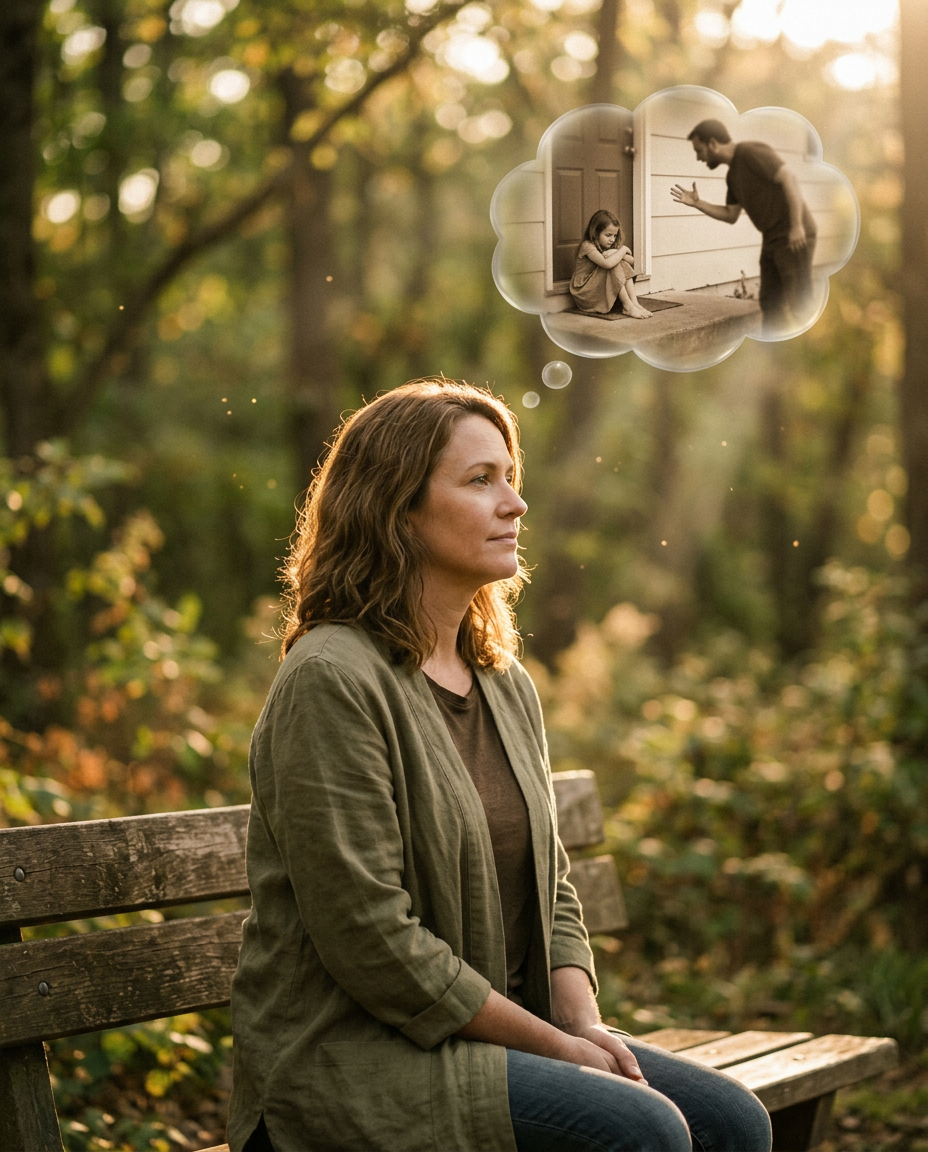
Being an empath or a highly sensitive person (HSP) is a deep gift, but it also comes with real challenges. You may feel exhausted, misunderstood, overwhelmed, or torn between caring for others and protecting yourself. You may sense emotional pollution where others feel none. The path you walk often lacks maps. But with intention, you can learn strategies that help you thrive rather than just survive.
Here are 5 things empaths and HSPs need to learn — with firm compassion, not sugarcoating — along with starting points and resources you can explore further.
1. You must learn emotional boundaries (and that “no” is an essential tool)
Why it matters:
You are probably absorbing others’ emotions like a sponge. Just being near someone in distress may shift your mood. That makes it vital to have clear boundaries so you don’t collapse under others’ energy.
What to practice.
Saying “no” without overexplaining.
Declaring a safe distance (mental, emotional, physical) when you need a break.
Visual/energetic shielding techniques (e.g. visualising a protective light around you).
Requiring that people speak to you in respectful ways (tone, volume) if you engage in emotionally intense conversations.
Tough truth. Others may be upset. But your self-care isn’t negotiable. You can’t pour from an empty cup.

2. You must learn to differentiate what’s yours vs what’s others’
Why it matters:
If you can’t tell which feelings are yours and which are imported, you’ll constantly feel burdened, anxious, or drained. Many empaths feel heavy after social interactions, as if they’ve carried additional emotional baggage.
What to practice.
Journaling each night: “These emotions were mine. These may have come from someone else.”
A short mantra: “This is not mine to carry.”
Grounding practices (breathing, body scans) that help you re-anchor into your own body.
Daily energy hygiene (e.g. visualising light cleansing, or a symbolic “shower” of release).
Tough truth. It won’t come overnight. You’ll sometimes still take on extra weight. But over time, your internal filters strengthen.
3. You must learn self-care as a non-negotiable survival strategy
Why it matters:
Because you feel deeply, you’re at high risk for burnout, compassion fatigue, or emotional collapse.
If you continuously prioritise others’ needs over your own, you eventually pay a steep toll.
What to practice.
Daily rest/quiet time is sacrosanct.
Rituals that calm your nervous system (e.g. nature walks, gentle yoga, sensory “decompression” spaces).
Limit the exposure to negative media or emotionally heavy stories.
Creative expression (art, writing, music) just for you.
Nourishing your body: sleep, wholesome food, movement
Boundaries with stimulants.
Tough truth. Self-care may feel selfish (especially if you have internal narratives of “I must always help”). But it isn’t. It’s the foundation that allows your sensitivity to be sustainable.

4. You must learn emotional regulation & resilience skills
Why it matters:
Without tools, the emotional waves you pick up can throw you into overwhelm, anxiety, or paralysis.
You need ways to ride those waves instead of being swept under.
What to practice.
Mindfulness and meditation (especially body-centred practices).
Cognitive therapy tools: noticing thought distortions (“I must fix this person,” “I can’t handle this feeling”), reframing, grounding back to facts.
Somatic therapies (e.g. noticing where tension resides in the body, releasing it).
Emotional first-aid: having a “toolbox” (a favourite song, calming scent, safe memory, breathing pattern) you can access when triggered.
Tough truth. You may still feel overwhelmed at times. That’s human. The aim is not perfection, but gradual strengthening.
5. You must learn how to engage compassion without becoming a martyr
Why it matters:
Because you care so deeply, it’s tempting to “rescue” people or carry burdens that aren’t yours. That can burn you out or foster unhealthy dependency in relationships.
What to practice.
Remind yourself: support doesn’t mean solving or absorbing everything.
Set limits in helping relationships: time, frequency, and emotional depth.
Choose where you invest energy — not everywhere.
Channel compassion into sustainable work (volunteering, advocacy, creative acts) that includes rest and regeneration.
Tough truth. You will sometimes feel guilt for not doing “more.” But compassion that destroys you is not really a true compassion — it’s overextending.

So, here are some steps to learn and practice...it is not easy but with intention, you can learn strategies that help you thrive rather than just survive. Let me know how you go, or if you need a bit of help, contact me for a personalised road map.
Resources and further reading:

The Empath's Survival Guide: Life Strategies for Sensitive People
by Judith Orloff https://amzn.to/4ondF2P
https://www.verywellmind.com/highly-sensitive-persons-traits-that-create-more-stress-4126393



Comments